Guard railings
Guards for the edges where a fall is the failure.
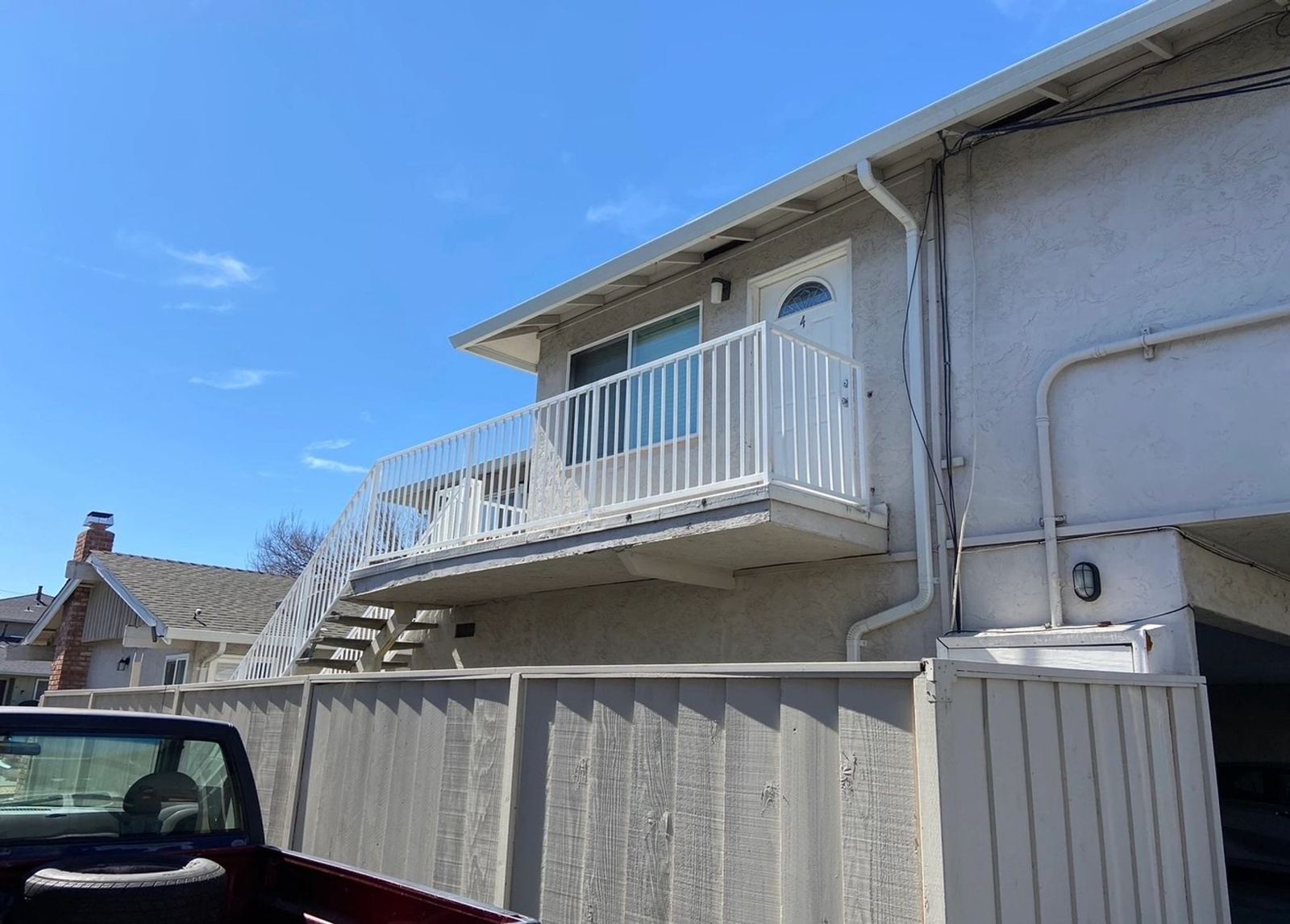
Balcony, deck, landing and walkway guards built to the height, infill spacing and load the code requires — and anchored into structure, not into decking.
- Built to
- Guard specHeight, spacing and load.
- Infill
- Picket, bar, cableFrame sized to suit.
- Estimate
- FreeSite visit for anything elevated.
- Coverage
- Serving the East BayHayward and the East Bay.
What we build
Balcony guards on single and multi-storey homes, deck perimeters, landing guards where a stair arrives, guards along the open edge of a raised walkway or patio, and the repeating panel systems that multi-unit buildings need where the same guard is installed dozens of times.
Picket infill, horizontal bar, cable, mesh and glass-ready frames. The infill is a style choice; the frame that carries it is not.
Anchorage is the whole job
A guard railing does not fail in the middle of a panel. It fails where the post meets the building. That connection is the single most important thing about it and the thing least visible once the job is finished.
Which is why posts get anchored into structure — a rim joist, a beam, a concrete slab — and not into decking boards, not into a fascia, and not into anything that was itself fixed on afterwards. On a concrete balcony, core-drilling and grouting is generally stronger than a surface base plate; on a timber deck, the post connection gets sized against the load the guard has to resist at the top rail, which is considerably more than most people expect.
- Posts landed on structure, identified before quoting.
- Base connection sized against the top-rail load, not eyeballed.
- Corrosion break between dissimilar metals and between metal and masonry.
- Drainage considered — water sitting in a post base is how a guard rots from inside.
Height, spacing, load
These three numbers define a guard, and they come from your jurisdiction rather than from us.
Building code, stated plainly
Guards on balconies, decks, landings and elevated walking surfaces are governed by the code cycle your city has adopted — commonly a minimum guard height in the 36″–42″ range depending on occupancy, infill spacing that prevents a 4″ sphere passing through, and a specified concentrated and uniform load the guard must resist.
We build to what applies to your job and can tell you what that means for your balcony. For anything that needs a permit — and replacing a failing balcony guard often does — confirm the specifics with your city’s building department before fabrication. They have the final word.
Infill, and what each one costs you
Vertical pickets are the most economical, the easiest to make compliant, and unambiguously not climbable. Horizontal bar reads modern and preserves a view, at the cost of a climbability question where children are involved. Cable gives the thinnest possible sightline and needs the stiffest frame, which usually means heavier or closer posts. Mesh is the commercial answer where reach-through matters. Glass-ready frames hand the infill problem to a glazier and put the whole burden on the frame and its fixings.
On a balcony with a view, the temptation is always the thinnest infill available. That is a legitimate choice — it just has to be paid for in the frame rather than pretended away.
Multi-unit and repeat work
Where the same guard is installed across many units, the fabrication problem changes from bespoke to repeatable: one jig, one pattern, consistent panel to panel, and an install sequence that does not need a fresh measurement at every balcony. That is a different quote and a different schedule from a single custom balcony, and it is worth saying which one you have at first contact.
How the estimate works
Anything elevated gets a site visit. We need to see what the posts can land on, and that is the one thing a photograph never shows.
Start by texting (510) 363-2490 a photo of the balcony or deck edge and a rough run length — enough to tell you what kind of job it is and to book the visit.
Projects
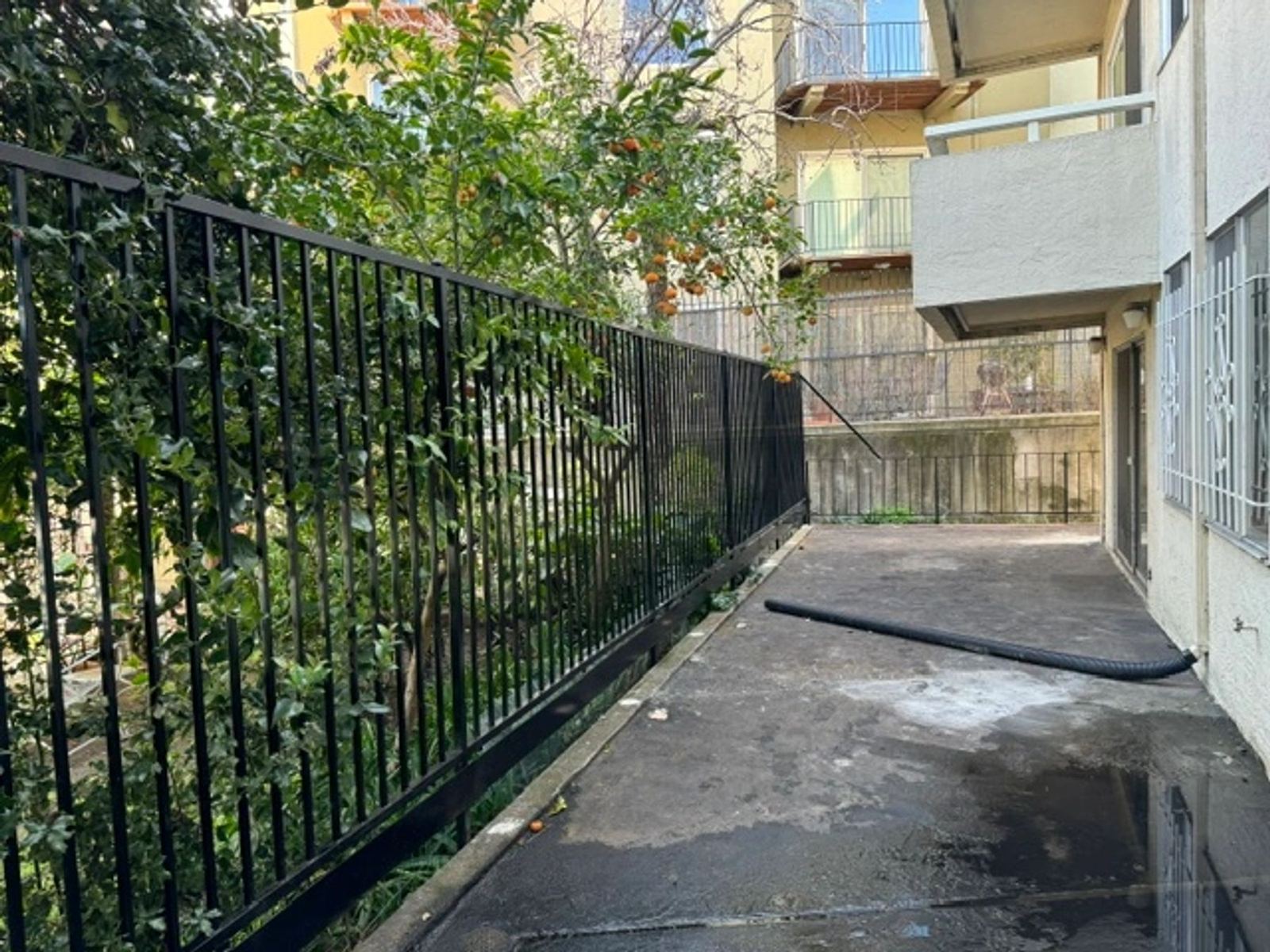
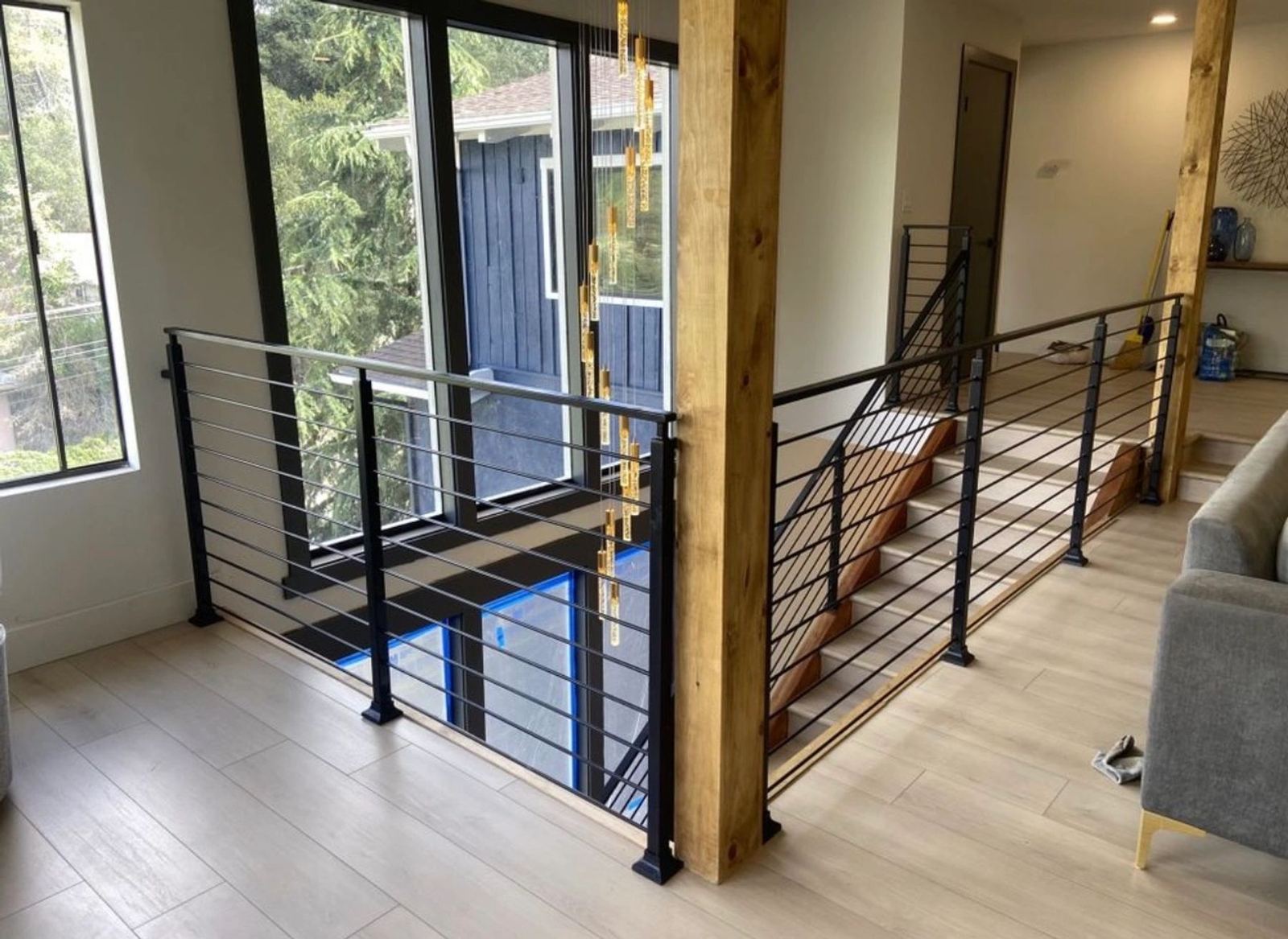
Guard Railings we’ve built.
Photographed on completed jobs. Measurements and pricing come at the estimate, on your own opening.
Supplier catalogs
Colours and components you can look at before you decide.
These are the suppliers whose catalogs get opened on ATR jobs. Read them as a starting point rather than a menu — what is actually right for your piece depends on the design, the exposure and how it gets fabricated, and we will confirm that at the estimate.
Cable railing infill
Cable infill keeps a view open where pickets would close it down. It is also the infill people most often get wrong — cable has to be tensioned against a frame stiff enough to take it, or the runs go slack and the spacing opens past code. The hardware references below are what ATR builds to.
- Open CableRail catalog
CableRail Kits
Cable assemblies, end fittings and tensioners, with the post spacing and framing each configuration actually requires.
- Browse Feeney literature
Product literature and specs
The wider library — installation detail, technical drawings and spec sheets, if you want to read past the colour and into how it goes together.
Powder coat colour
Powder coat is where nearly every colour decision on a job actually gets made. These are the colour cards ATR works from — pick something you like, bring the code to the estimate, and we will tell you honestly whether it suits the exposure that piece is going to live in.
- Open Essentials colour card
Essentials, Volume 6
The standard range — the colours most jobs land on, in the gloss levels and textures they are actually available in.
- Open Super Durable card
Super Durable, Volume 3
The range worth reading if the piece faces south or west. Super durable powders hold their colour years longer under direct sun than standard polyester.
- Open Metallics card
3D Metallics, Volume 2
Metallic and effect finishes, for when a flat colour is not the look. They read very differently in person than on a screen — treat the card as a shortlist, not a decision.
- Open Cardinal colour card
Powder Coatings Colour Card
A second full colour card, from a West Coast powder manufacturer. Useful as a cross-check when a colour you want is not stocked in the TIGER range.
ATR Welding is not a dealer for, affiliated with or sponsored by any company listed here. Catalogs are published by those suppliers and open on their own sites; availability, colour ranges and specifications are theirs to change. See every catalog in one place →
Guard Railings
What people ask before booking.
What makes a guard railing different from a handrail?
A guard stops a fall from a height. A handrail is something to hold. A guard has a minimum height, a limit on how big a gap its infill can leave, and a load it has to resist without deflecting past a limit — and it has to do all of that at the point where the consequence of failure is a fall from a storey up. Wherever a walking surface is elevated enough that your city requires a guard, decorative preference stops being the first consideration.
What is the "4-inch sphere" rule people mention?
It is the shorthand for the infill spacing limit: openings in a guard generally must not allow a 4-inch sphere to pass through, so a small child cannot get through or become trapped. It is why baluster spacing is what it is, and why the gap at the bottom rail and beside the end posts matters as much as the gaps in the middle. The exact figure and the places it applies come from the code cycle your jurisdiction has adopted, so confirm it locally rather than treating "4 inches" as universal.
Can you put a cable railing on my balcony?
Often, yes — but cable infill needs a frame far stiffer than a picket railing needs, because the cable is tensioned against it and a frame that flexes lets the cable go slack. Slack cable is both a look problem and a spacing problem. Horizontal cable also raises a climbability question in some jurisdictions where children are a consideration. We will tell you honestly whether your balcony can carry a cable railing properly, or whether it would need intermediate posts that undercut the reason you wanted cable in the first place.
My existing balcony rail is loose. Repair or replace?
We look at why before answering, and the answer is usually about the connection rather than the rail. A guard is only as good as what it is bolted to: if the posts are anchored into decking rather than into structure, or the substrate has rotted or spalled, replacing the metalwork alone rebuilds the same failure. Sometimes the honest answer is that the railing is fine and the deck framing is the job.
Free estimate
Send a photo of the edge.
If a balcony rail is loose, say so — we'll look at why before quoting a replacement, because sometimes the rail is not the problem.
Licensed, bonded and insured — CSLB #1037852. Free estimates, no obligation.
Based in Hayward. Serving the East Bay. Not sure if it’s something we do? See the full list of services, or book a consultation.